The story of the World’s first digital camera made by Kodak
John Wade explains how it all began and how it could have changed history for Kodak

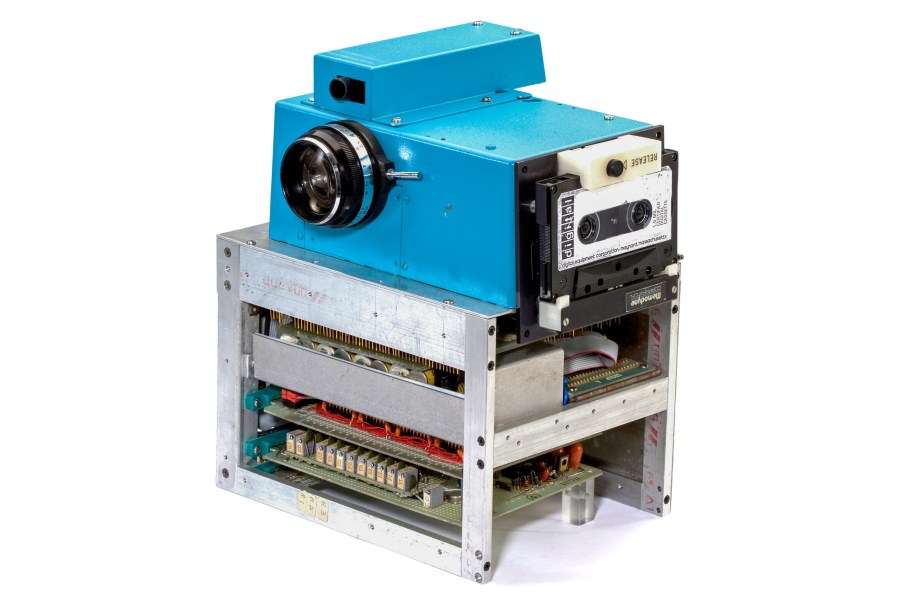
Six circuit boards, 16 nickel-cadmium batteries and the lens from an old Super-8 movie camera were added to the mix, together with the invention of a device to play back the camera’s images on a normal television.
After two years of development, Sasson completed a working camera in 1975.
The first-ever digital picture was taken in December that year. The subject was a portrait of a fellow technician named Joy Marshall as she worked at a teletype machine. The picture wasn’t saved and no longer exists.
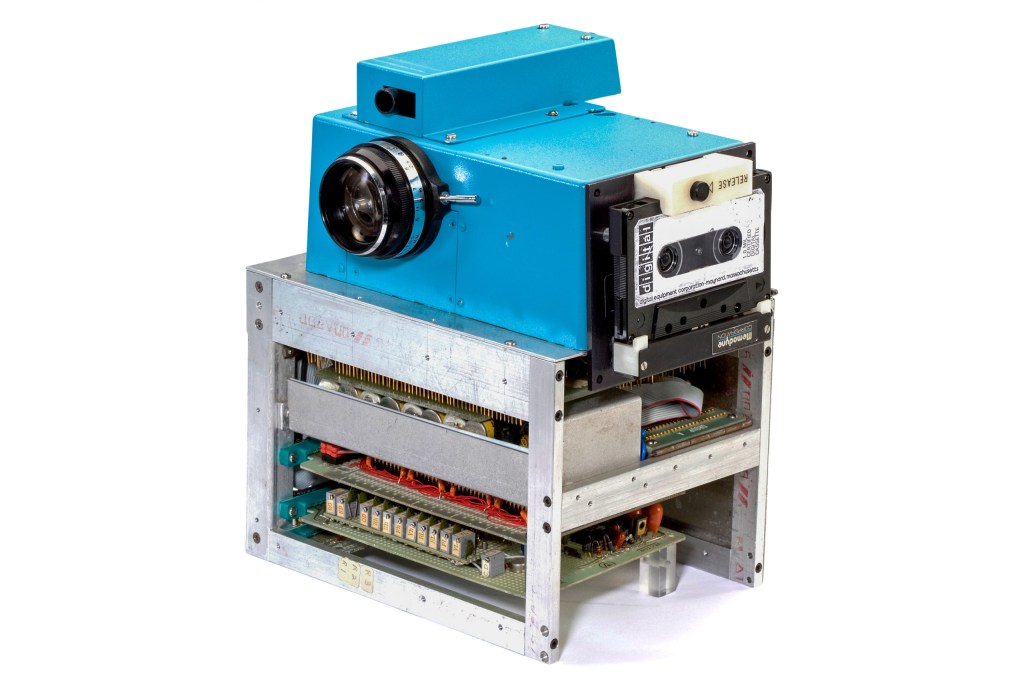
The camera weighed 3.6 kilograms and used a single-speed electronic shutter of 1/20sec with an infrared blocking filter. It took only 50 milliseconds to capture the image, but 23 seconds for it to be recorded and stored on magnetic tape. Each tape could store up to 30 images. When the tape was removed from the camera and placed in the playback device connected to a television, it took another 30 seconds for it to appear on the screen. The image was black & white and measured 100×100 pixels. In today’s jargon we would call that a 0.01MP camera.
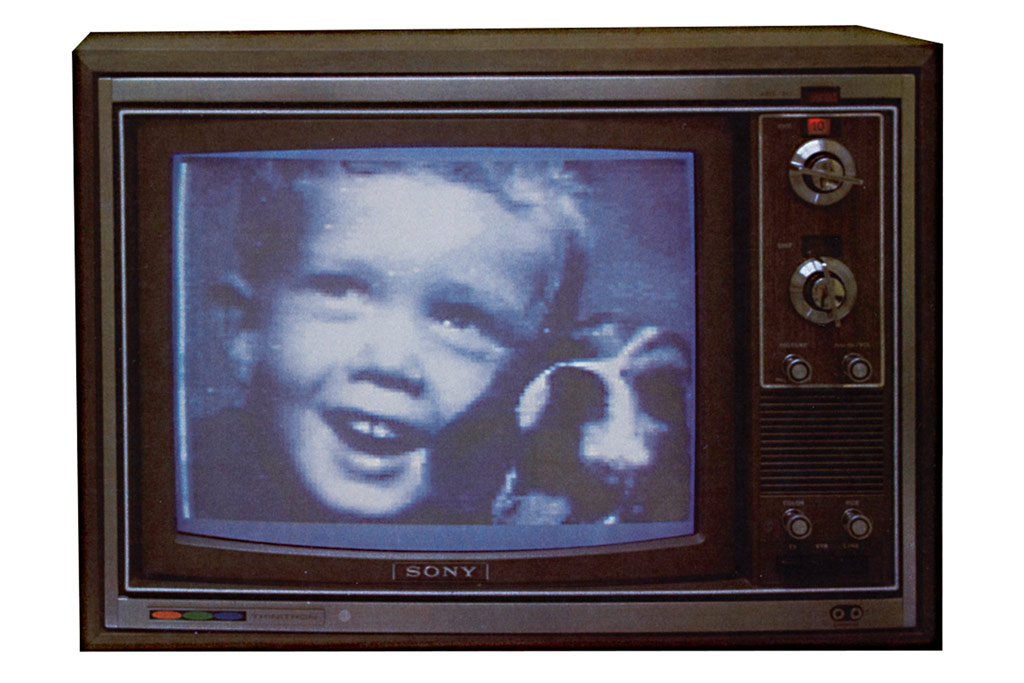
Picture the next scene. A group of Kodak executives, not knowing quite what to expect, are confronted by Sasson, carrying a device that looks a little like a toaster. Before saying anything he points the device at his audience and takes pictures of them. Then he removes a tape cassette from his machine, places this in his playback device connected to a television and in less than a minute pictures appear on the screen. The demonstration was greeted with confusion, curiosity and scepticism. The reasons for the lack of an exultant reaction were basically threefold:-
Advertisement
- The image quality was poor and no threat to the kind of pictures being produced by 35mm film, or even the images from 110 snapshot cameras of the time.
- In a world where colour prints were universal, they saw no way that people would want to crowd around a television to look at black & white pictures.
- And maybe this was the most significant reason for any lack of enthusiasm. Assuming advances in technology would eventually improve the image quality, and speculating that those images might soon be in colour, what they were looking at was something that threatened to replace film and processing. And from what did Kodak make the lion’s share of its profits? Answer: film and processing.
 a television screen. Courtesy of the George Eastman Museum.
Nevertheless, Kodak patented Sasson’s camera and he was allowed to continue his research. He ascertained that, if he was to produce a digital picture in colour whose quality at the very least matched that of a print from a 110 film negative, he would need 2 million pixels. He clearly had a long way to go.
Asked by Kodak bosses how long it would take to produce a consumer camera he had no quick answer. But resorting to his own interpretation of Moore’s Law – a principle that states that the number of transistors in an integrated circuit doubles every two years – he suggested it might take 20 years.
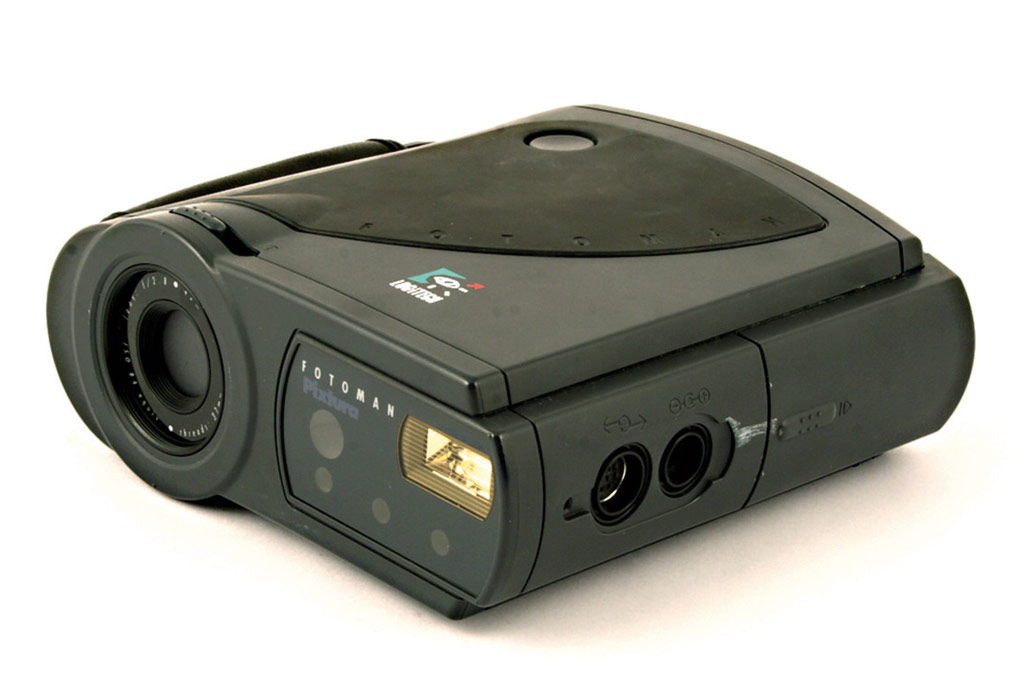
In 1995 Kodak introduced the DC40, the company’s first consumer digital camera, by which time the digital pioneers had been eclipsed by the likes of Sony, Apple and Canon, to name but three. And so Kodak became an also-ran in a race that it had so spectacularly started but which it was destined never to win.
Sasson’s digital camera patent expired in 2007. In 2009, he was awarded the American National Medal of Technology and Development. He received the British Royal Photographic Society’s Progress Medal in 2012. It was the same year that Eastman Kodak filed for bankruptcy.
The other first
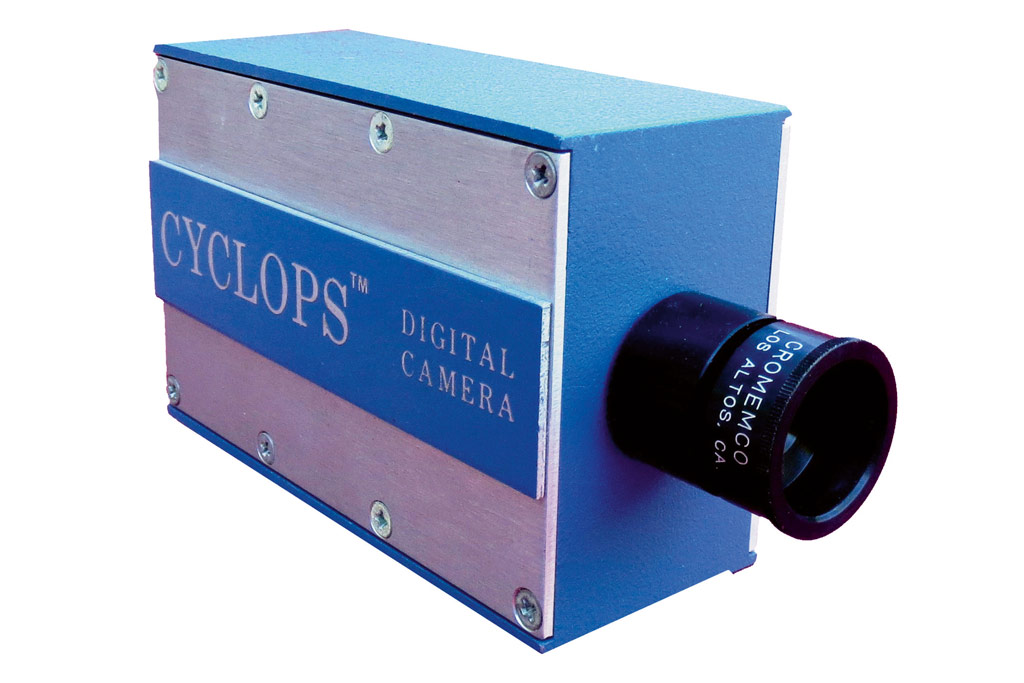
Although Sasson’s camera is universally recognised as the first digital model, there are stories about another that might have just preceded it. An article in the February 1975 issue of the American magazine Popular Electronics described a do-it-yourself project for readers to build their own solid state TV camera. A company called Cromemco took this up, built the device on a commercial basis and announced it as a digital camera designed to interface with an Altair 8800 computer. They called it the Cyclops, and it produced an image of 32×32 pixels. But unlike Sasson’s camera, which was the first to combine capture, analogue-to-digital conversion and file storage in one device, Cyclops had no built-in storage device

No comments:
Post a Comment