Content creators building their own brands in a $250bn industry
Jimmy Donaldson, aka Mr Beast, is YouTube’s most popular creator with 444 million subscribers. He has been creating video content for 13 years to build such huge influence.
Donaldson is worth an estimated $2.6 billion, according to Celebrity Net Worth, helped by his business empire, Beast Inc, being valued at $5.2 billion. He now makes more money, however, selling chocolate than he does from making videos.
The line between creator and founder has blurred in the past few years as more creators realise that real value lies in the ownership of brands versus doing temporary brand deals for other companies or relying solely on platform income.
Donaldson, 27, has seen this first hand through setting up his successful chocolate bar company, Feastables, which made $250 million in profitable sales last year and is responsible for more net revenue than his entire YouTube business.
The creator economy is a $250 billion industry and venture capitalists have been betting on the space for more than a decade but the tides are starting to shift. Many firms initially believed that the value would be in the “picks and shovels” of the industry: selling software to creators. Patreon is an example of this in practice, giving creators the tools to build community around paywalled content.
Some have realised, however, that the value is not in the software but in the creators themselves and in owning a piece of their many businesses. We have seen this play out for some of the world’s biggest celebrities. Take Kim Kardashian, who has 355 million followers on Instagram and the Skims shapewear empire, valued at $4 billion, or Rihanna, who has 149 million Instagram followers and the Fenty Beauty venture, worth $2.8 billion.
Imagine you could turn back the clock knowing that Mr Beast would become a raging success and could invest directly in him. You could then own, say, 10 per cent of any of the businesses he started.
“Some investors have realised that the value is not in the software but in the creators
This idea has become more common as the broader ecosystem has evolved. One of my favorite examples is Grace Beverley, a UK creator with 1.1 million followers on Instagram who has not one but four companies including her the venture-backed clothing brand Tala.
Beverley, 28, has raised money from traditional early-stage investors such as Pembroke VCT for Tala, but we are starting to see a new model emerge to take advantage of this trend of creators leveraging their audience to start several brands instead of one and capture all the upside as a result.
One fund at the centre of this movement is Slow Ventures, which has raised a $64 million fund to invest directly into creators. Megan Lightcap, who leads the fund, told me that investors in the company’s funds would watch their children run into Walmart and beg them to buy Feastables or spend hours watching YouTube at home, so the bet to invest in their new creatorfocused fund felt like a no-brainer.
Slow will identify a creator with an engaged community and then work with that creator to set up a holding company so Slow will then own a percentage of any business the creator starts in exchange for upfront investment.
Lightcap said: “Follower counts don’t matter as much. We’ve met creators who have 100,000 followers ... but are doing $2 million to $3 million of product sales, and then we meet creators with millions of followers and they can’t sell a single thing. So it’s really about relevancy and engagement.”
Slow recently announced its first investment in the woodworking creator Jonathan Katz-Moses, backing him with $2 million.
Direct creator investing is a frontier area of venture capital but it highlights an enormous shift in taking creators and the marketing power they wield seriously.
It is no longer everyday people just making videos online. They are building distribution businesses that can rival any of those set up in the traditional way. With venture capitalists now fuelling their growth, brands should think hard about how they build affinity with customers, as those same creators they are paying to advertise their wares may very well become competitors.
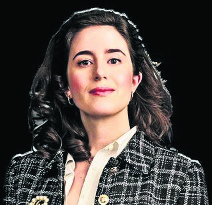
• Meagan Loyst is the founder of Gen Z VCs, a community of Gen Z founders and investors

No comments:
Post a Comment